Zeolite
This is a natural, high-quality zeolite material with the following typical composition:
- Silicon dioxide (SiO₂): approx. 35–38 %
- Aluminium oxide (Al₂O₃): approx. 9–11 %
- Calcium oxide (CaO): approx. 11–15 %
- Magnesium oxide (MgO): approx. 7–9 %
- Iron oxide (Fe₂O₃): approx. 8–12 %
- Alkali oxides (Na₂O, K₂O): present
- Loss on ignition (LOI): approx. 9–16 %
- Bulk density: 1.13 – 1.65 g/cm³
These values confirm the typical properties of a natural zeolite (e.g. clinoptilolite).
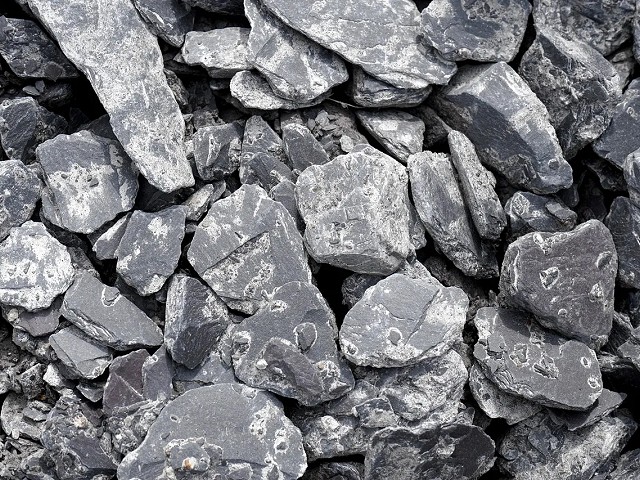
High porosity:
The internal structure contains numerous cavities that:
- store water
- absorb gases
- filter substances
Ion exchange capacity:
Due to its aluminium content, zeolite has a negative charge and can:
- bind and exchange
- ammonium
- heavy metals
Bind and replace.
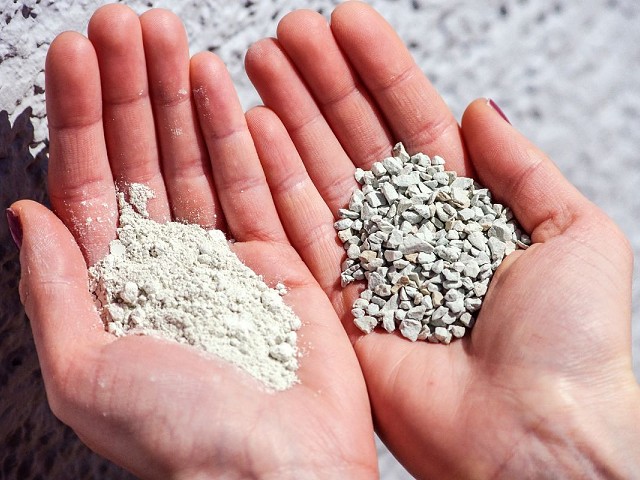
Storage and reservoir function:
Zeolite can absorb substances and release them again when needed:
- Water
- Nutrients
- Chemical compounds
Chemical and thermal stability:
- Heat-resistant up to over 1000 °C
- Dimensionally stable
- Non-biodegradable
-1776929825.jpg)
The zeolite under investigation is characterised by the following key properties:
- Retention of water and nutrients.
- Binding of pollutants and heavy metals.
- Filtering and sieving functions at the molecular level.
- Improvement of materials (e.g. concrete).
- High stability and reusability.
This combination makes zeolite a versatile natural material with applications across numerous industries.
Areas of application
Agriculture and horticulture
Zeolite is used as a soil conditioner.
- It stores water and releases it slowly.
- It reduces water consumption.
- It stores nutrients and prevents leaching.
- It improves soil structure and aeration.
- It helps balance pH levels thanks to its calcium and magnesium content.
- Healthier plants.
- Higher yields.
- Reduced use of fertiliser.

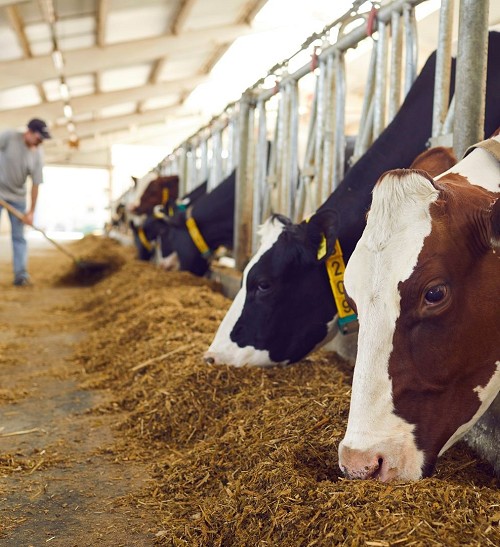
Livestock farming
Zeolite is used as an additive in livestock housing.
- It binds ammonia and odours.
- It reduces harmful substances in the digestive system.
- It improves hygiene and the indoor climate.
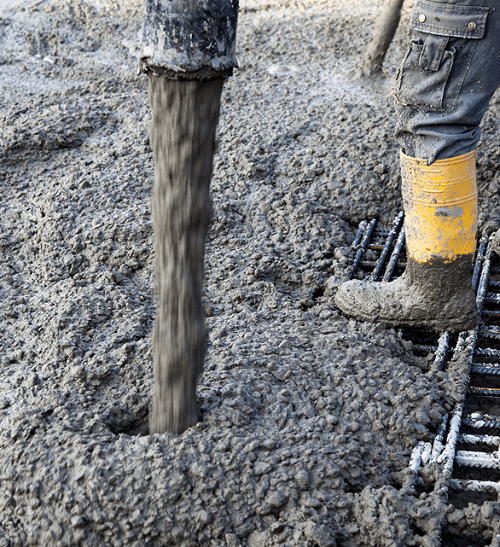
Construction industry
Zeolite is used as an additive in concrete.
- Reduces the cement content.
- Improves strength and durability.
- Retains moisture for optimal setting.
- Contributes to CO2 reduction.
Road construction
Zeolite is used in the production of asphalt.
- Lowers the processing temperature.
- Reduces emissions.
- Improves health and safety.

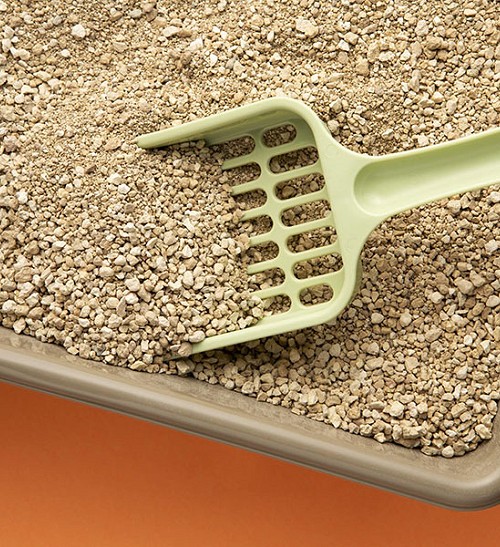
Pet products
Zeolite is used, for example, in cat litter.
- Effectively absorbs odours.
- Acts like a natural sponge for ammonia.
Water treatment
Zeolite is ideal for purifying water.
- Binds calcium and magnesium (water softening).
- Removes ammonium and heavy metals.
- Filters out the finest particles.

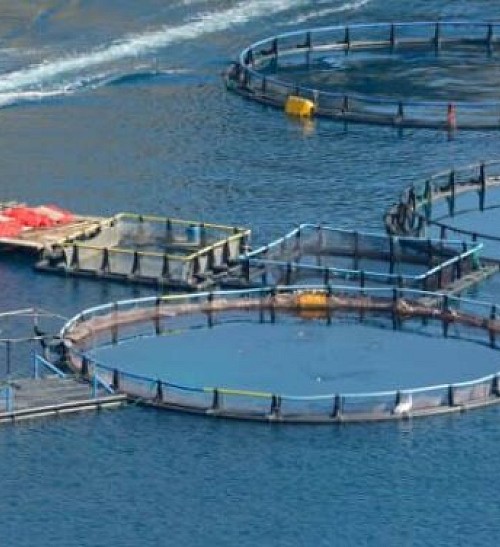
Aquaculture
In fish farms, zeolite helps maintain stable water quality.
- Reduces toxic substances such as ammonia.
- Improves fish growth.
- Reduces the need for medication.
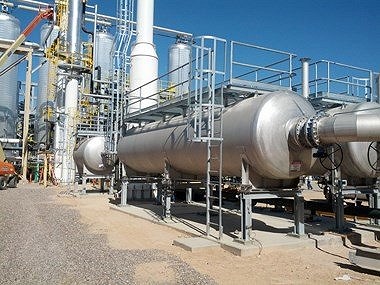
Chemical industry
Zeolite is used as an environmentally friendly substitute.
- Detergents (phosphate substitute).
- Gas and air purification.
- Removal of pollutants (VOCs).
Textile industry
Zeolite is used in the finishing of textiles.
- Antibacterial effect.
- UV protection.

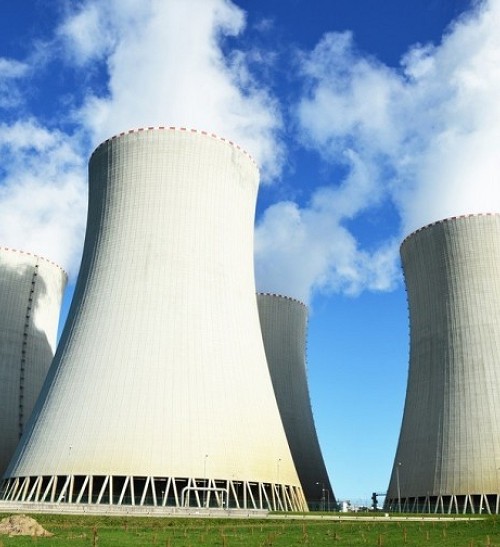
Environmental and Nuclear Technology
Zeolite can bind radioactive substances.
- Treatment of contaminated water.
- Binding of caesium and strontium.
Petrochemical industry
Zeolite is used to absorb gases.
- Filter material.
- Sealing of boreholes.